
✦ Bold Organs and Body-Part Friends
19 Human Body Coloring Pages: Bold Organs and Body-Part Friends Free printable PDF · color online
ForAges 4–10Children curious about their bodiesSimple classroom naming activities
Human body coloring pages can make unfamiliar body parts feel easier to notice. In this set, lungs rest among flowers, a heart runs on a track, a kidney goes fishing, and a brain reads. The rounded characters are playful rather than medical diagrams. Their broad outlines suit crayons, and the everyday scenes give children a simple way to name each part before coloring.
- Free printable pages
- Sorted by topic and age
- One-click PDF
- Color online
Kids practise: recognizing a few body-part shapes · describing a character action · comparing broad and detailed scenes
Explore related pages
All human body coloring pages

Lungs by a Window
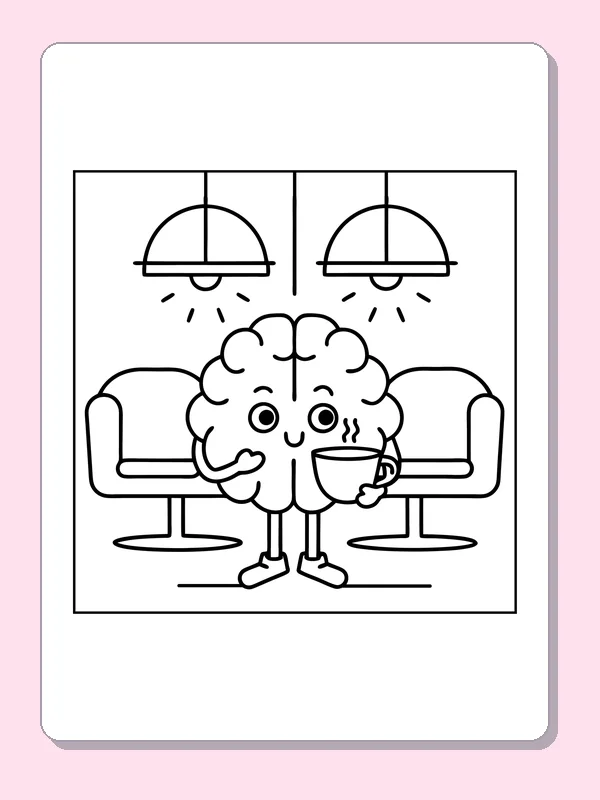
Brain Resting on a Sofa

Tongue and Taste Icons
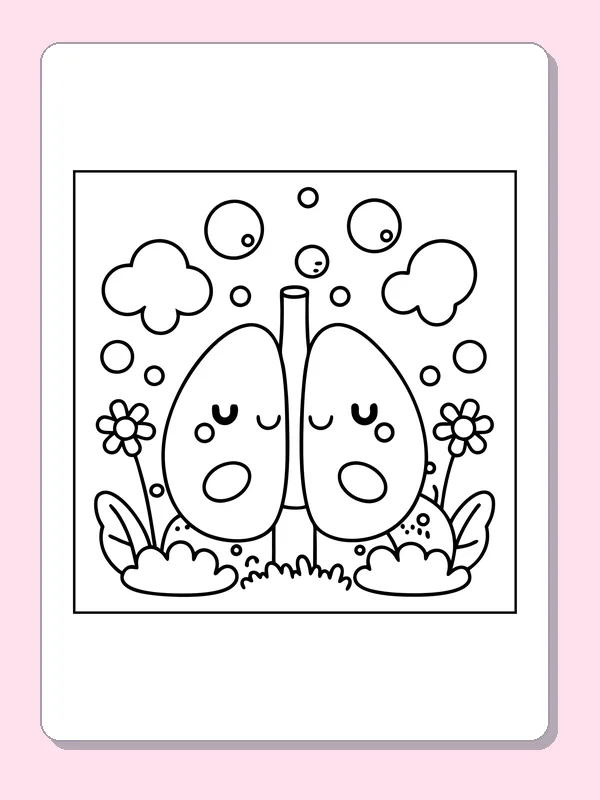
Lungs among Flowers

Kidney Fishing by a Pond
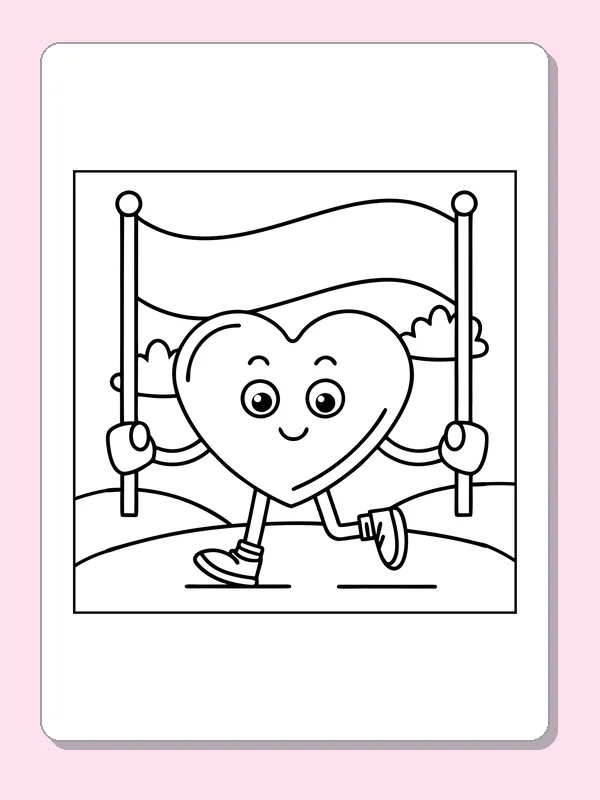
Heart Running on a Track
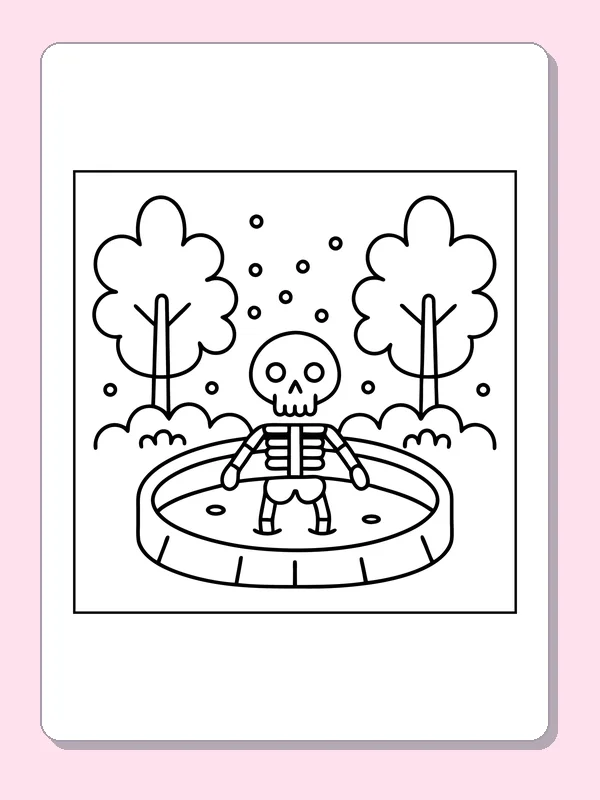
Skeleton in a Garden

Tooth at a Dentist Chair

Nose Smelling Flowers

Heart Crossing a Finish Line

Heart at Home

Brain with Connected Ideas

Skeleton Riding a Bicycle

Kidney Holding a Glass of Water

Kidney Relaxing in Sunshine

Lung on a Forest Walk

Foot on a Patterned Mat

Little Skeleton Kicking a Soccer Ball
At home or in class
Ways to use these pages
1
Name the part
Point to the main shape before coloring and say the body part's name.
2
Tell its story
Choose the fishing kidney or reading brain and imagine what happens next.
3
Invent another
Draw a new friendly body-part character on the back of a finished sheet.
Meet a friendly body part
Begin with the lungs, heart or kidney because their large silhouettes are clear even at thumbnail size. A child can point to the picture, say the body part's name and choose a color. The characters smile and move, making the art less formal than a textbook image. It is fine if the color is imaginative; naming and noticing the shape matter more than matching a diagram. The brain collection offers more curious body-part pictures.
Notice what the character is doing
The kidney fishing and brain reading scenes invite small stories. Ask what the character might do next or why it chose that activity. Teeth and a tongue appear in other pictures, giving a chance to mention brushing and tasting in familiar terms. Keep the conversation tied to what is actually visible. The pictures are illustrations, so they do not teach anatomy by themselves. For another health routine prompt, try the doctor pages.
Keep the science conversation simple
Print two pages and compare how each drawing uses body-part shapes. The heart running across a track has legs and a flag, while the lungs near a window are mostly still. Children can color a favorite and then draw their own friendly character on the back. In a classroom, let each child pick one picture to describe aloud rather than asking everyone to fill the same sheet. A grown-up can name the visible part and invite the child to point to where it belongs on their own body. Keep it brief and comfortable if the child would rather just color.
Choose bold shapes before tiny details
The central shapes are broad and easy to fill, though some background props add a second layer of detail. The brain's bookshelves or the tooth's dental chair reward a child who likes small areas. A plain organ picture is better for a short break. Because the images are whimsical, use a separate reliable resource if a child has a factual question about how the body works. Because the characters are smiling, a child may choose unexpected colors. That is fine: the activity is about recognizing the main silhouette, not memorizing a medical color chart.
Happy coloring!
Choose one broad organ character, color its story and use the picture to start a curious conversation.
Keep coloring
Related coloring pages
 Brain coloring pages
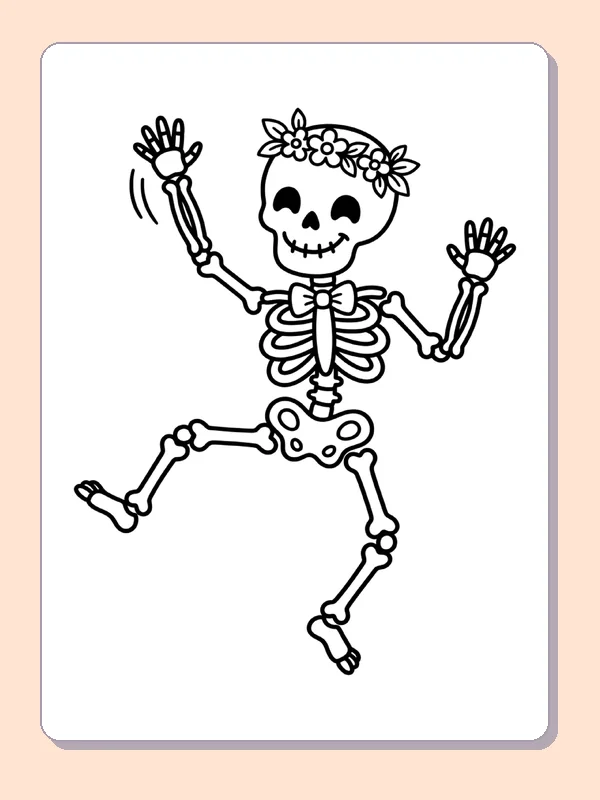 Skeleton coloring pages
 Doctor coloring pages
 Heart coloring pages
Questions
How many human body pages are included?
This set has 20 selected pictures, each with its own printable PDF.
Can I print the entire set together?
Yes. The matching Friendly Human Body Coloring Book combines the selected pictures into one PDF.
Can I color a picture online?
Yes. Open any individual sheet and choose Color Online to use the browser coloring tool.