
✦ Big Eyes and Easy Scales
19 Reptile Coloring Pages: Geckos, Snakes and Tortoises Free printable PDF · color online
ForAges 4–10Children curious about animal shapesShort nature and classroom activities
Reptile coloring pages here bring together curved snakes, wide-eyed geckos, spiky lizards, long crocodiles and a shell-backed tortoise. Most pictures put one animal against white space, so the body shape is easy to see before choosing colors. A sea turtle adds a water-dwelling reptile. The different tails, toes and shells give children plenty to compare without a crowded background.
- Free printable pages
- Sorted by topic and age
- One-click PDF
- Color online
Kids practise: following a curved animal outline · repeating simple scale patterns · sorting animals by visible movement
Explore related pages
All reptile coloring pages

Coiled Snake with Diamond Patterns

Iguana Perched on a Branch

Chameleon Curling Its Tail

Striped Snake in an S Curve

Gecko with Wide Sticky Toes
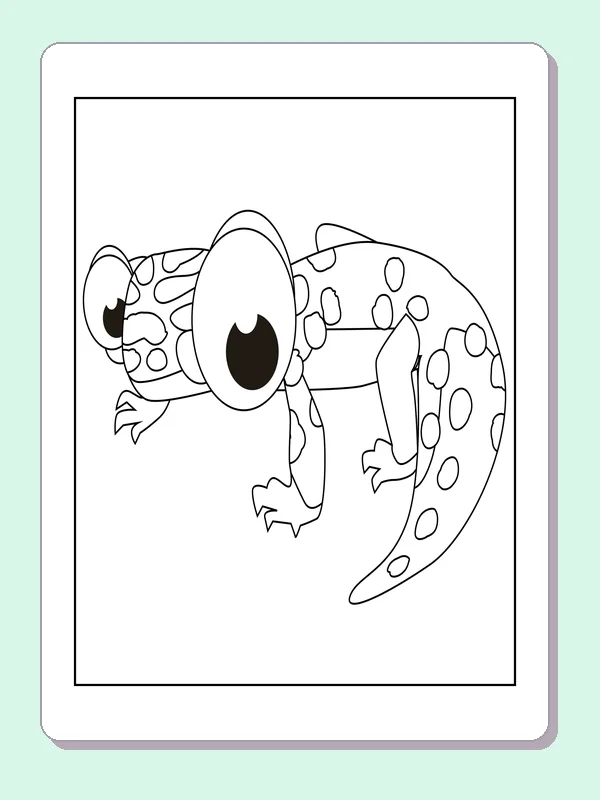
Spotted Salamander Looking Sideways

Spiky Lizard Walking Forward

Long-Tailed Lizard Turning a Corner

Gecko with a Ringed Tail

Crocodile with a Long Snout

Iguana with a Tall Crest

Iguana Showing Its Side Profile

Snake Wrapped Around a Branch

Spotted Gecko on a Rounded Rock

Sea Turtle with Wide Flippers

Crocodile Walking to the Left

Tortoise with a Patchwork Shell

Gecko with Splayed Toes
At home or in class
Ways to use these pages
1
Trace the tail
Follow a snake or lizard tail with a finger before coloring it.
2
Make a shell pattern
Alternate two colors across a tortoise or turtle shell.
3
Sort by movement
Group snakes, lizards, crocodiles and turtles by how their bodies might move.
Pick a shape: coil, shell or long tail
The coiled snake takes a path across the page that children can follow with a finger before using a crayon. The tortoise and sea turtle offer a very different shape: a broad shell divided into panels. A lizard with a curved tail sits between those extremes. Choosing by shape helps a child find a page that feels manageable. The snake pages offer more long, curving bodies for children who choose that silhouette first.
Use patterns without crowding the page
Spots, bands and scales are small details inside mostly large bodies. On the diamond-patterned snake, choose two alternating colors for the markings. A gecko with a ringed tail offers a shorter pattern, while the tortoise shell invites a patchwork of several shades. Nothing in the set requires realistic animal colors; a child can focus on the repeated forms. Keep the body one bold color and put the second shade only on spots, stripes or shell panels.
Notice where the animals might move
Some animals appear ready to climb, swim or walk. The gecko with spread toes suggests gripping a surface, the crocodile keeps its body low, and the sea turtle stretches its flippers. Ask where each might go next. A plain background gives children space to draw water, a branch or sun if they want to extend the scene. Compare the water turtle here with the larger turtle collection to look at shell shapes.
Sort the reptile neighbors
A gecko, snake, crocodile and tortoise look quite different even within one reptile collection. Sort the pages by how each animal moves: coiling, climbing, walking low or carrying a shell. The point is to notice visible traits and practice explaining a choice. Children can use picture evidence rather than memorizing a long list of facts. For a classroom sort, group the snakes, lizards, crocodiles and turtles and let children explain one visible difference.
Happy coloring!
Start with the animal shape a child notices first, then use the spots, bands or shell panels for a second coloring pass.
Keep coloring
Related coloring pages
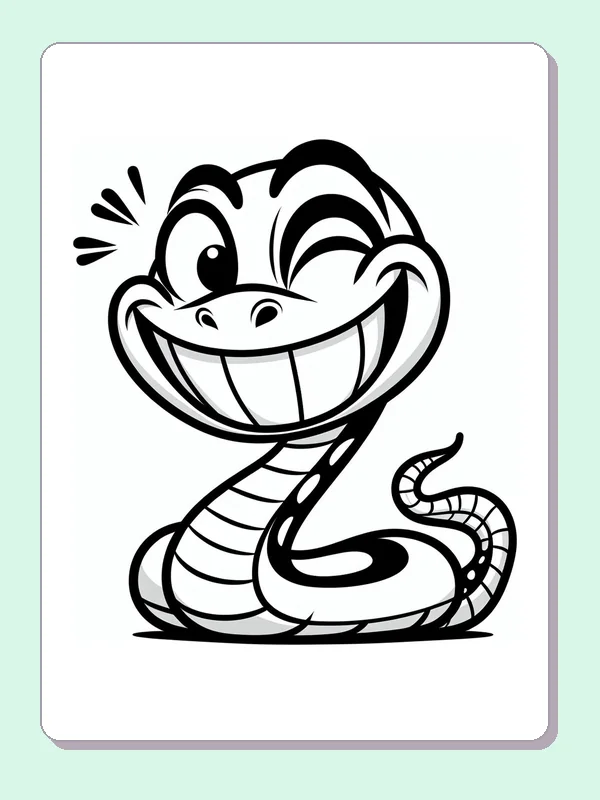 Snake coloring pages
 Lizard coloring pages
 Crocodile coloring pages
 Turtle coloring pages
Questions
How many reptile pages are included?
This set has 19 selected pictures, each with its own printable PDF.
Can I print the entire set together?
Yes. The matching Reptiles Coloring Book combines the selected pictures into one PDF.
Can I color a picture online?
Yes. Open any individual sheet and choose Color Online to use the browser coloring tool.